Electric Meter Price Guide: Compare Analog, Digital & Smart
Understanding Electric Meter Pricing Trends
Electric meters are crucial for tracking electricity use in homes and businesses.
Understanding electric meter pricing trends can help you make informed decisions. Prices vary widely based on meter type, technology, and features. Traditional analog meters are often cheaper, but digital and smart meters offer more benefits. Smart meters provide real-time data and remote communication, making them a popular choice. Digital meters offer precise readings, enhancing energy management. The global shift towards energy efficiency is driving demand for advanced metering solutions. By exploring these trends, you can better navigate the evolving landscape of electric meter pricing.
What Is an Electric Meter and Why Does Its Price Matter?
An electric meter measures electricity consumption in kilowatt-hours. It's essential for both residential and commercial properties. Utility companies use them to bill customers accurately.
Understanding the price of electric meters is important for several reasons. Cost considerations play a role in the overall expense of installing or upgrading electrical systems. It also influences the choice between different meter types.
Several factors affect meter pricing, including technology, features, and manufacturer. Choosing the right meter involves balancing upfront costs with long-term benefits. The following list highlights key price determinants:
- Meter type (analog, digital, or smart)
- Technological advancements and features
- Brand and model specifications
Electric meter prices can greatly differ across various regions. Factors such as local economic conditions and regulations often influence costs. Staying informed about these variables can help consumers optimize their energy management strategies and budget effectively.
Types of Electric Meters: Analog, Digital, and Smart
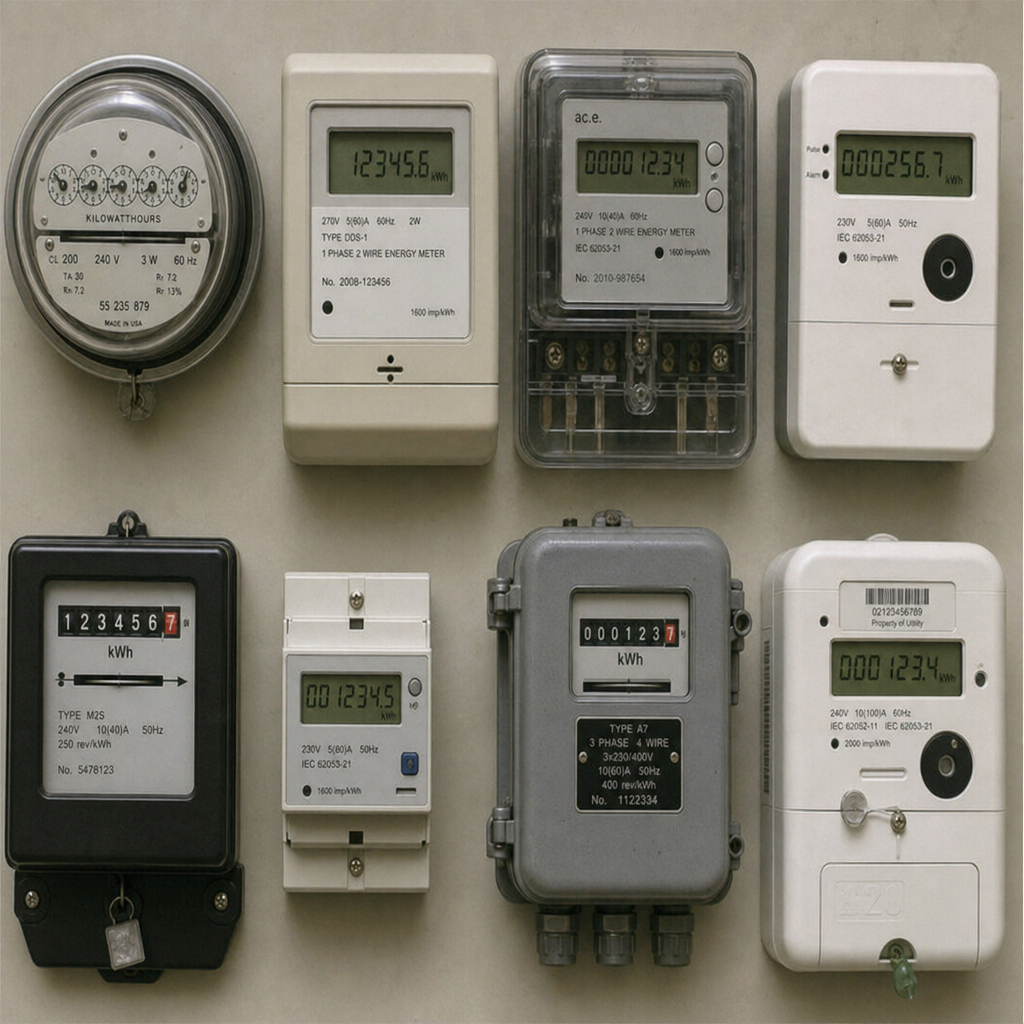
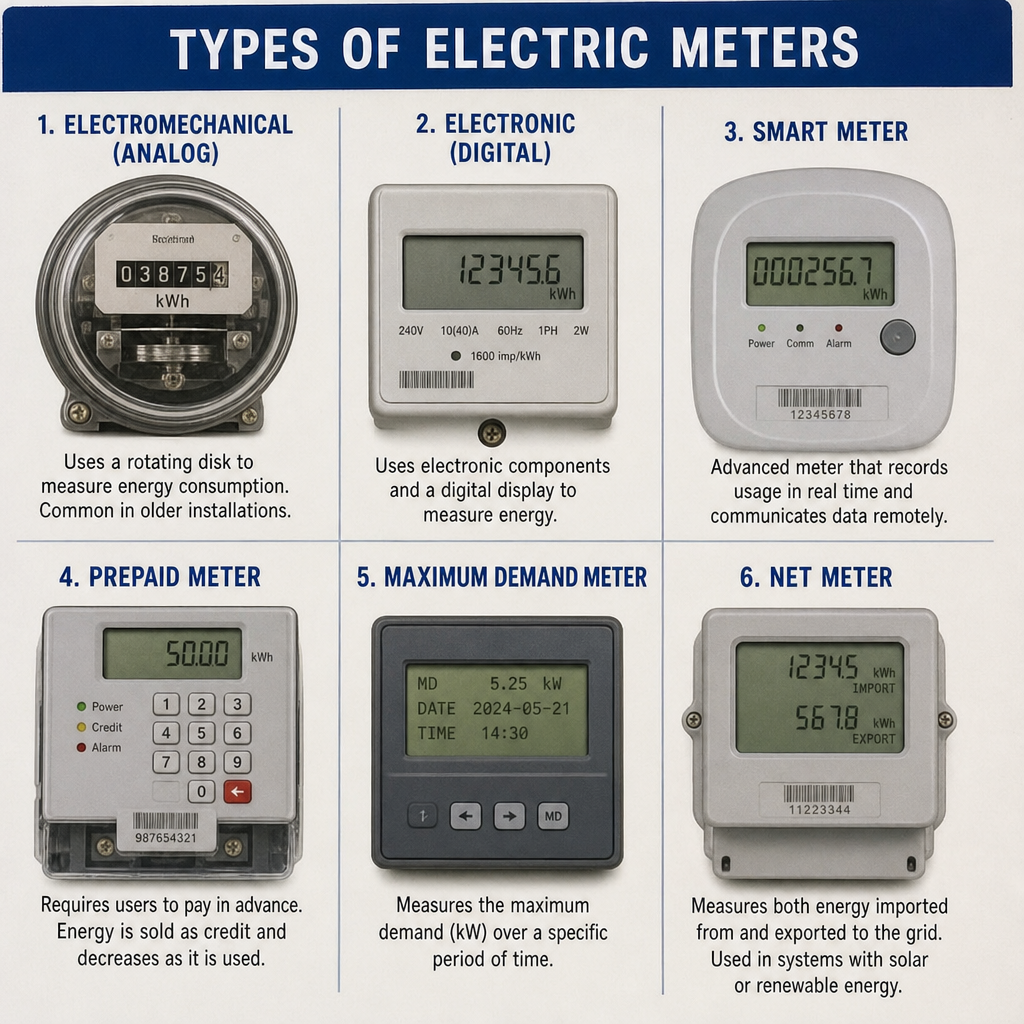
Electric meters have evolved significantly over time. Three main types exist today: analog, digital, and smart meters. Each offers unique advantages and disadvantages to consider when selecting the right one for your needs. Analog meters are traditional models often found in older homes. They feature spinning dials that measure electricity use mechanically. These meters are generally less expensive, but they lack precision and advanced features. Digital meters, on the other hand, utilize digital technology for more accurate readings. They display electricity usage in numbers, making it easier to understand consumption patterns. Digital electric meters are more reliable than analog, offering clear benefits in modern settings. Smart meters represent the latest in metering technology. These advanced devices offer real-time data monitoring and remote communication. Smart meters provide insights into energy usage, enabling consumers to manage their consumption and save money effectively.
Key features to consider include:
- Real-time usage data
- Remote access and control
- Energy usage insights
Understanding these differences helps in choosing the most appropriate type for your property. Evaluate based on functionality, ease of use, and long-term benefits.
Key Factors Influencing Electric Meter Price
Electric meter pricing varies widely, influenced by several factors. Understanding these can help in making informed purchasing decisions.
Technology plays a crucial role in price differences. Advanced features in digital and smart meters often lead to higher costs compared to analog meters.
Manufacturing costs also impact prices. These costs depend on materials used and technological sophistication. More complex meters require more expensive production techniques.
Installation requirements can add to the overall expense. Digital and smart meters, for instance, may demand more complex setup procedures or professional installation.
Market demand and supply chain dynamics affect prices as well. Higher demand or supply chain disruptions can cause price fluctuations.
Considerations include:
- Technological sophistication
- Manufacturing and material costs
- Installation complexity
- Market demand and supply conditions
By examining these factors, consumers can better understand why electric meter prices may vary widely. This knowledge empowers smart buying decisions, tailored to both budget and needs.
Comparing Meter Prices: Analog vs. Digital vs. Smart Meters
When comparing meter prices, it’s important to consider each type's unique attributes and functionality. Analog meters are typically the least expensive. They use simple mechanical parts, making them affordable but lacking in modern features.
Digital meters represent the middle ground in terms of cost. They offer precise measurements and are generally easier to read than their analog counterparts. This additional accuracy can justify their higher price.
Smart meters, the most advanced option, come with the highest price tag. They provide real-time data and connect to networks for remote reading. These features enhance energy efficiency but come at a cost.
Key considerations when comparing meter prices:
- Analog Meters: Basic, cost-effective, less accurate
- Digital Meters: Higher precision, moderately priced
- Smart Meters: Advanced features, more expensive
Selecting the right meter involves balancing upfront costs with long-term benefits. Each type serves different needs, allowing consumers to choose based on specific requirements and budget.
Single Phase Meter vs. Three Phase Meter: Price and Application
Single phase meters are predominantly used in residential areas. They supply electricity sufficient for most household appliances. Due to their simple design, these meters are more affordable and easier to install.
In contrast, three phase meters are crucial for commercial and industrial settings. They cater to higher energy demands and provide a steady power supply. This versatility makes them more expensive than single phase meters. When choosing between them, consider your specific energy needs. Single phase meters are perfect for homes with standard electrical consumption. Meanwhile, three phase meters are ideal for large facilities with heavy machinery.
Key differences include:
- Single Phase Meter: Lower cost, residential use
- Three Phase Meter: Higher cost, industrial/commercial applications
Understanding these distinctions can assist in making informed decisions aligned with both your budget and application.
Digital Electric Meter Price: Features and Value
Digital electric meters offer enhanced precision over analog models. They provide accurate readings, reducing discrepancies and billing issues. This precision often justifies the digital energy meter price.
One key advantage is their capability to store consumption data. This functionality allows users to analyze their energy usage patterns. Such insights can lead to more informed decisions about energy consumption.
Digital meters also include features such as tamper detection. This helps protect against unauthorized access to the meter. Another noteworthy feature is power quality monitoring, ensuring optimal electricity flow.
When considering digital meter prices, think of the long-term value they offer. Although the initial cost might be higher than analog meters, benefits over time can outweigh this.
Key features include:
- Enhanced reading accuracy
- Data storage for consumption analysis
- Tamper detection and power quality monitoring
Smart Meter Price: What Are You Paying For?
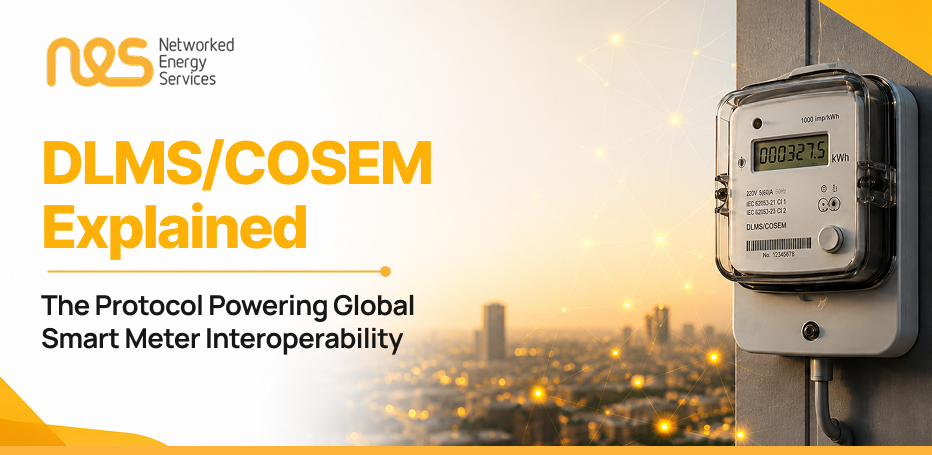
Smart meters represent a leap in energy management technology. They offer real-time monitoring and communication with energy providers. These features account for a higher smart meter price compared to traditional meters.
What sets smart meters apart is their interactive nature. Consumers can track their electricity usage in real-time, adjusting consumption habits accordingly. This engagement can lead to significant energy savings over time.
A noteworthy component of the smart meter price is related to its connectivity. They support dynamic pricing models, allowing consumers to benefit from time-of-use rates. This feature can offer cost savings when electricity is used during off-peak periods.
Ultimately, smart meters provide long-term value through enhanced efficiency and consumer empowerment. The investment often translates to reduced bills and better energy management.
What smart meter prices cover:
- Real-time usage monitoring
- Communication with providers
- Supports dynamic pricing for savings
Regional Trends: Bijli Meter Price and Market Differences
Electric meter pricing, known in some regions as bijli meter price, can fluctuate due to local economic conditions. Factors such as import tariffs and regional manufacturing capabilities play a crucial role. In areas with strong local production, prices might be lower.
Market differences also impact metering costs. For example, urban areas often see a higher demand for smart meters due to increased awareness and energy management needs. Rural regions may still rely heavily on traditional meters, which affects pricing dynamics.
Consumers in different regions should consider:
- Local production capacity
- Import tariffs
- Urban vs. rural demand
Monitoring these market differences is essential for making informed purchasing decisions.
Market Trends and Future Outlook for Electric Meter Pricing
The electric meter market is evolving rapidly, driven by the global push for energy efficiency. This demand is leading to a shift towards digital and smart meters. Consumers and businesses seek better energy management and cost reductions.
Technological advancements, such as IoT integration, are enhancing meter functionality. This trend is expected to continue, influencing meter pricing structures. New features offer added value, which reflects in pricing.
Key future trends include:
- Growing adoption of smart grid technologies
- Increased demand for sustainable solutions
- Enhanced features through IoT technology
These trends indicate a promising future for innovative electric meters, aligning with global energy goals.
How to Choose the Right Electric Meter for Your Needs
Choosing the right electric meter depends on several key factors. Start by assessing your property’s energy needs. A single phase meter is typically sufficient for most residential settings. However, commercial and industrial properties may require a three-phase meter for higher energy demands.
Consider the benefits of digital and smart meters. These options offer advanced features like real-time monitoring and data analysis. Although they come at a higher price, the long-term savings can offset the initial cost. Research energy providers for available subsidies or financing options.
When selecting a meter, keep these considerations in mind:
- Type of meter required (single or three-phase)
- Desired features (real-time data, remote access)
- Budget constraints and long-term savings
Evaluate different models and manufacturers to find the best fit. Informed decisions will ensure efficient energy management and cost savings.
Conclusion: Making Sense of Electric Meter Price Trends
Understanding electric meter price trends helps make informed decisions. As technology advances, options expand, offering more features for efficient energy management. From analog to digital and smart meters, each type presents its unique costs and benefits.
Though prices vary, prioritizing long-term savings and enhanced functionality can guide your choice. Whether for a home or a business, the right meter can lead to better energy practices. With careful consideration, you can optimize both your energy use and spending. Exploring these trends equips you with the knowledge to navigate the evolving energy market confidently.